

The Psychology Behind Student Motivation: What Every SAT Tutor Should Know

Discover the student motivation psychology every SAT tutor should know, from micro goals and progress tracking to effort reinforcement and structured autonomy.
The Psychology Behind Student Motivation: What Every SAT Tutor Should Know
TABLE OF CONTENT

Student motivation is the most overlooked variable in SAT prep. Most students who disengage are not lazy. They are overwhelmed, unclear on their goal, or unable to see that their effort is producing any result. Understanding why this happens is one of the most practical skills an SAT tutor can develop.

Why Student Motivation Drops During SAT Prep

SAT preparation has structural features that make motivation hard to sustain. The timeline is long. The reward is invisible until test day. The work is repetitive by design. And students are doing it alongside a full school schedule.

The most common demotivators tutors encounter are:

  • No visible sign of progress between sessions
  • Fear of failure after a low practice score
  • Feeling that prep is endless with no clear end point
  • Lack of immediate feedback on effort
  • Feeling like studying is something being done to them, not by them


Each of these has a specific psychological mechanism and a specific fix.

The Four Levers That Rebuild Motivation

Lever 1. Micro goals over macro goals

A goal like “improve my SAT score by 150 points” is motivationally useless on a Tuesday afternoon. It is too distant and too abstract to create action in the moment.

Micro goals work because they are specific, completable in one sitting, and tied to something the student controls. “Get through 10 Reading questions without skipping” is a micro goal. “Score 1400 on the next practice test” is not, because it depends on variables outside the student’s direct control right now.

Start every session by writing the day’s micro goal somewhere visible. Confirm it was hit at the end. This creates consistent small wins that accumulate into real confidence over weeks.

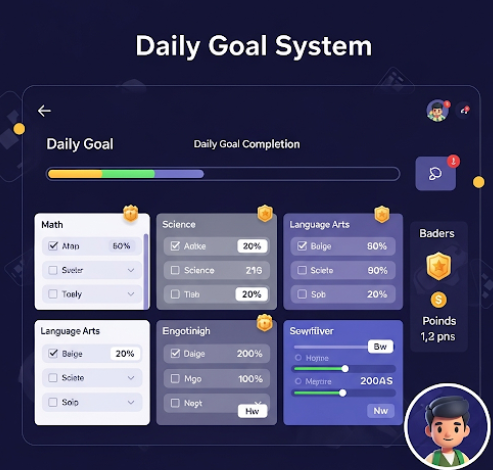
Lever 2. Making progress visible

Students who cannot see their progress assume they are not making any. The solution is not to tell them they are improving. Show them data that proves it.

A simple accuracy chart by topic, updated after each session, often shifts a student’s entire perception. When they see grammar accuracy go from 55 percent to 72 percent over four weeks, the emotional impact is far greater than any encouraging statement.

Progress visibility matters equally for parents. A parent who can see topic-by-topic improvement is far more likely to reinforce study habits at home. For a practical tracking system, see the guide on how to track SAT student progress without burning out.
Lever 3. Reinforcing effort rather than outcomes

Praising effort produces better long-term results than praising scores. When you praise a student for being “so good at Math,” you make them afraid of problems they cannot immediately solve. When you praise the specific behaviour, for example “you pushed through 40 hard questions this week,” you reinforce what actually drives improvement.

This matters most after a disappointing practice test. Students praised for effort analyse their errors and try again. Students praised only for results feel that a low score means they are not capable, which shuts down effort entirely.

Effort reinforcement takes 30 seconds at the end of a session. Noting something specific like “you showed up three times this week and stayed with the Desmos problems even when they frustrated you” is enough to make a real difference.

Lever 4. Structured autonomy

Autonomy is one of the three core human psychological needs identified in Self-Determination Theory. Students who feel they have no choice in how they study tend to resist the process even when they want the outcome.

The fix is to give students real choices within a structure you control. Let them pick between two practice formats. Let them decide whether to review a weak area or push forward, with your input on what is more strategic. Let them set their weekly homework target within a range you define.

The pacing and content remain yours to guide. The student’s sense of ownership increases significantly. For more on how this connects to academic performance, see the article on self-efficacy and self-regulation.

How to Spot Demotivation Before It Becomes Dropout

Students rarely quit suddenly. They fade gradually. The early warning signs are easy to miss if you are not looking for them.

Warning Signs How To Respond
Shorter responses during sessions
Reduce scope temporarily
Incomplete homework with vague excuses
Show progress from the last 2 to 4 weeks
More score anxiety, fewer process questions
Reconnect to a near-term goal they care about
Rescheduling rather than cancelling
Ask what would make today feel like a success
Less initiative during practice
Acknowledge the effort already made

When you notice these signs, do not increase pressure or volume of practice. That accelerates disengagement. Reduce scope, show progress, and rebuild with one small success experience.

Why Structure Is a Motivation Tool

Motivation without structure collapses quickly. A student can be genuinely engaged at the start of a prep cycle and still disengage if sessions feel inconsistent or if the path to their goal feels unclear.

A structured SAT study plan built around diagnostic results gives every session a clear purpose. When a student knows this week is grammar and next week is data analysis, and they can count the topics remaining before their test date, prep feels finite and manageable rather than endless.

The shift from “I have to keep studying forever” to “I have eight more topics before my test” is psychologically significant. Pair this with spaced repetition and students experience more success when they revisit familiar material, which builds the sense of competence that sustains motivation over time.

Frequently Asked Questions

Why do SAT students lose motivation mid-prep?

The most common causes are no visible sign of progress, a reward that feels too distant, fear of failure after a low practice score, and a sense that prep is open-ended. These are structural features of long-term test preparation, not character flaws. Addressing them with visible tracking, micro goals, and a clear timeline is more effective than motivational encouragement alone.

How can tutors keep students motivated between sessions?

The most effective tools are a specific homework target the student agreed to, a progress chart they can update themselves, and a brief midweek message acknowledging effort rather than asking if they have completed their work. Students who feel seen and supported complete significantly more between-session practice than those who receive reminders framed as pressure.

Should tutors praise results or effort?

Effort, consistently. Praising results ties identity to outcomes the student cannot fully control, which makes them fragile when scores disappoint. Praising specific behaviors such as consistency or persistence through a hard topic builds the resilience that sustains improvement over a multi-month prep cycle.

What role do parents play in student motivation?

A significant one. Parents who express doubt or tie approval to scores undermine motivation more effectively than almost any other factor. Tutors who send regular data-backed progress updates give parents something concrete and positive to reinforce at home, turning them into an extension of the motivational environment rather than a source of pressure.

How do you re-engage a student who has already disengaged?

Reduce scope, show progress, and reconnect to a near-term goal. Do not increase pressure. Find the most recent evidence of improvement, even if it is small, make it visible, and ask the student what one thing they want to achieve before the next session. Rebuilding motivation starts with one small success experience, not a new comprehensive plan.

Keep Students on Track Between Every Session

MentoMind’s progress dashboards, streak tracking, and automated nudges make these motivational strategies practical to implement across your entire student roster without adding hours to your week.

See how MentoMind works

TABLE OF CONTENTS

We use cookies to personalize your experience. By using our website you agree to our Terms and Conditions and Privacy Policy.